 Chat with us

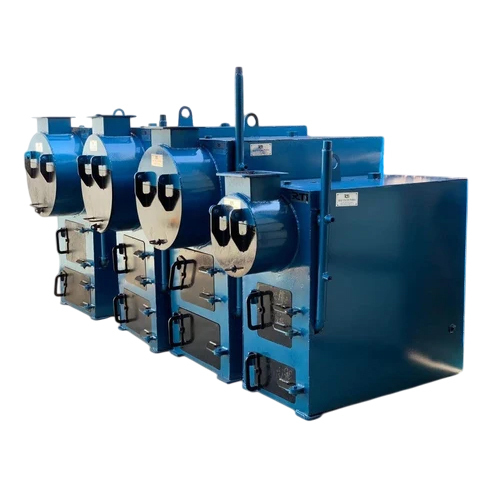
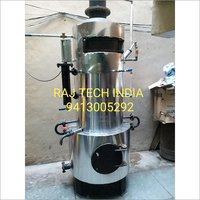
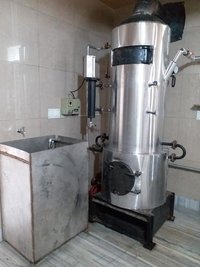
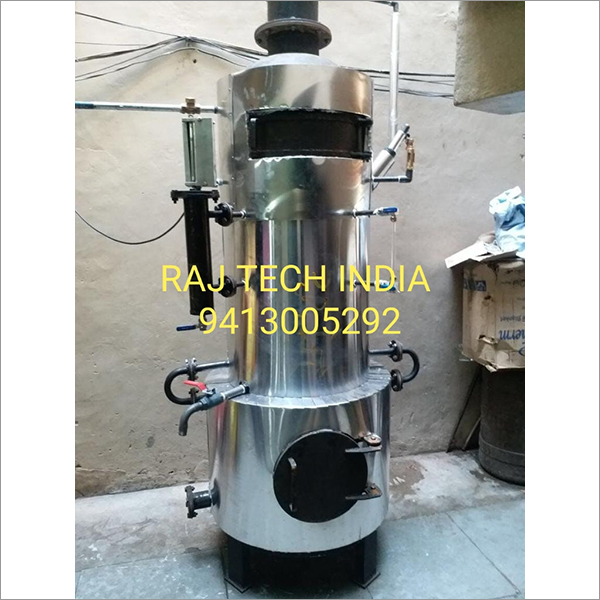
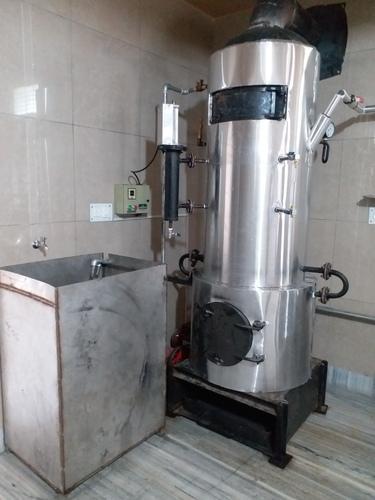
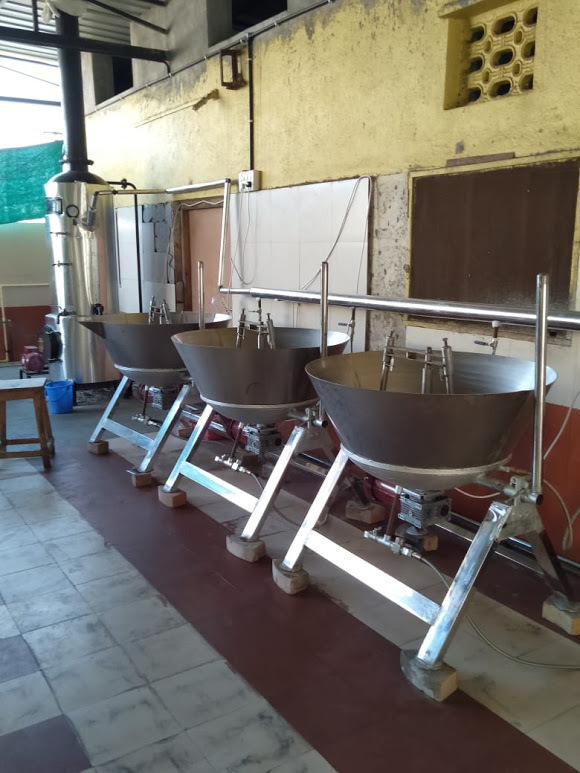
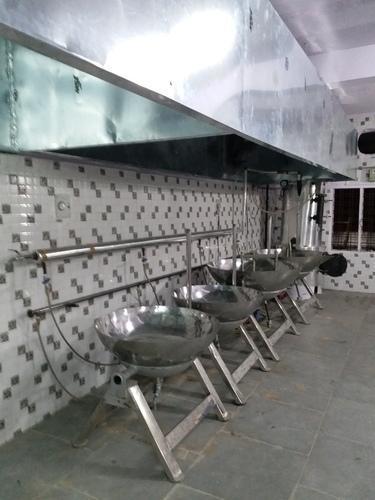
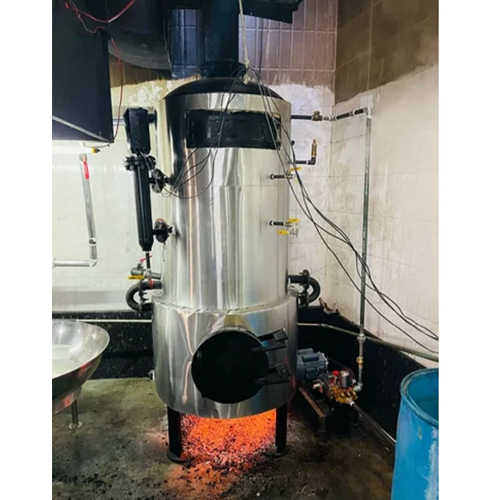
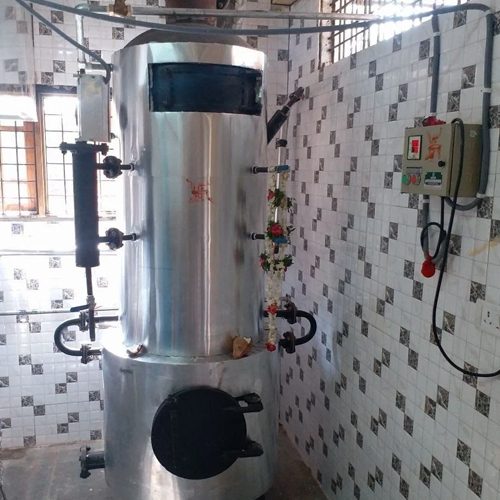
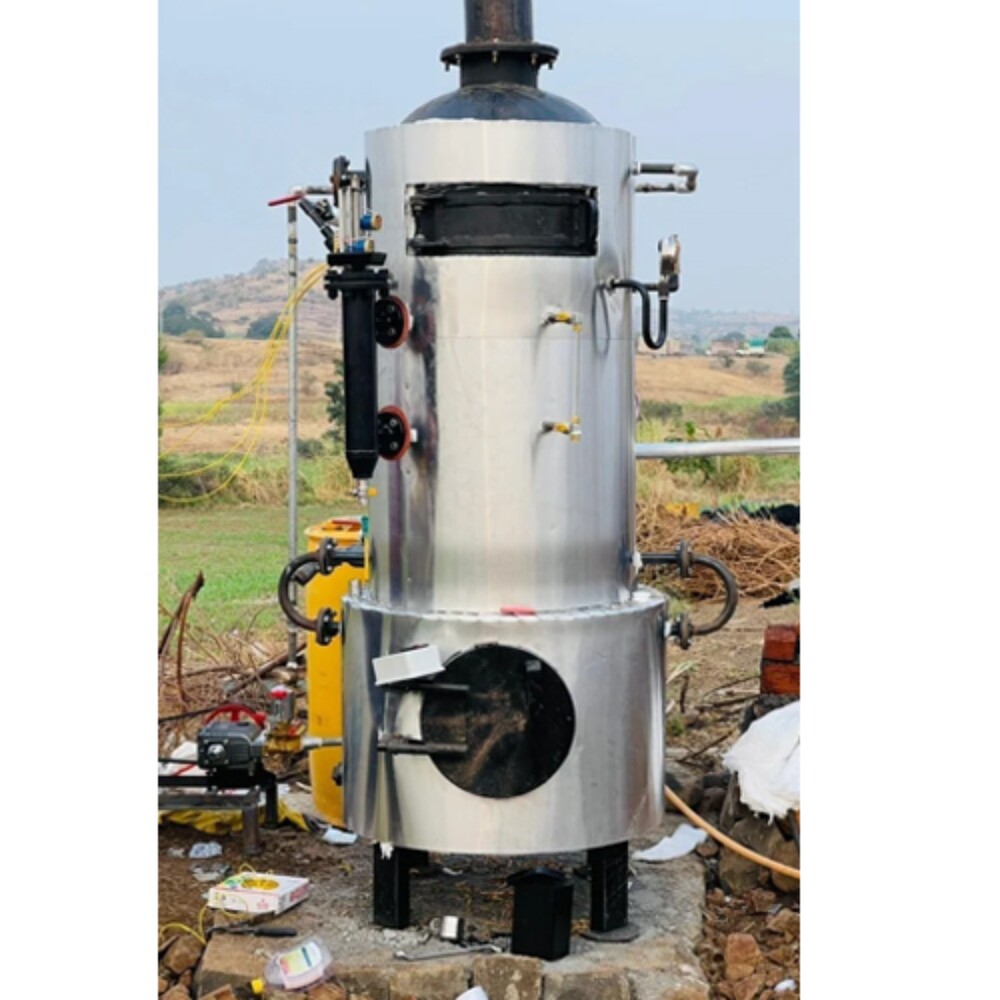
MS Non-IBR Steam Boiler
115000 INR/Unit
Product Details:
- Heat Efficiency NORMAL
- Fuel Type Other
- Pressure Medium Pressure
- Style Vertical
- Fuel Consumption 35kg wood per 100ltr milk for making khoya/mava Liter/Hour (L/hr)
- Output Steam
- Usage use for making khoya from milk
- Click to View more
X
MS Non-IBR Steam Boiler Price And Quantity
- 1 Unit
- 115000 INR/Unit
- 115000.00 - 160000.00 INR/Unit
MS Non-IBR Steam Boiler Product Specifications
- NORMAL
- use for making khoya from milk
- non ibr steam boiler
- 8ft Foot (ft)
- as per capacity
- Vertical
- Other
- 35kg wood per 100ltr milk for making khoya/mava Liter/Hour (L/hr)
- Medium Pressure
- use for best qwality TATA ms
- Steam
- 600 to 800kg Kilograms (kg)
MS Non-IBR Steam Boiler Trade Information
- Letter of Credit (L/C), Letter of Credit at Sight (Sight L/C), Telegraphic Transfer (T/T), Cash in Advance (CID), Cheque, Cash Advance (CA)
- 50 Unit Per Day
- 3 Days
- Yes
- Contact us for information regarding our sample policy
- Asia
- All India
Product Description
|
100 psi |
|
|
Capacity |
0-500 kg/hr |
|
Fuel |
wood fired |
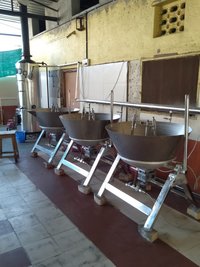
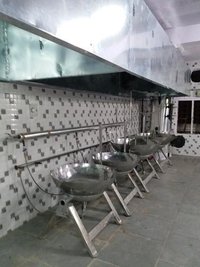
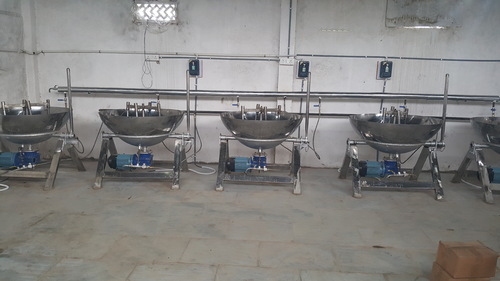
Steam operated mava/khoya making machine, steem boiler is wood fired, 100LTR milk made mava/khoya in 35 kg wood. No heat, no smokeing workshop, 70% fuel efficient than conventional Gas and diesel bhatti,
Efficient Khoya Production
Designed specially for dairy operations, this steam boiler ensures efficient and consistent production of khoya or mava from milk. With its medium pressure operation and reliable Tata MS construction, it provides safe and durable performance for daily use.
Customizable and Robust Design
Available in sizes as per capacity requirements, the vertical structure and quality materials ensure longevity and stability. The boiler's wood-fueled system supports sustainable operation, making it suitable for small and medium-scale manufacturers across India.
FAQ's of MS Non-IBR Steam Boiler:
Q: How does the MS Non-IBR Steam Boiler operate for khoya production?
A: This steam boiler uses wood as fuel to generate steam at medium pressure. The generated steam is then used to heat large quantities of milk, aiding in the efficient production of khoya or mava.Q: What is the recommended fuel consumption for making khoya with this boiler?
A: To process 100 liters of milk for khoya, the boiler typically consumes around 35kg of wood. This rate ensures optimal energy use while maintaining steady steam output for batch consistency.Q: When should I use a MS Non-IBR Steam Boiler instead of other heating methods?
A: This boiler is ideal when you need consistent steam generation for medium-scale dairy operations, especially for producing khoya. Its vertical design and robust build are suited for continuous usage, unlike traditional open-fire methods.Q: Where can the MS Non-IBR Steam Boiler be installed?
A: It can be installed in dairy processing units, confectionery kitchens, or commercial kitchens where khoya is produced. The installation site should allow for proper ventilation and safe handling of wood fuel.Q: What is the process for making khoya using this steam boiler?
A: Milk is placed in a steam-jacketed pan connected to the boiler. Steam produced by the boiler heats the pan, evaporating water content from milk to yield thick, rich khoya or mava.Q: What are the main benefits of using this boiler for khoya production?
A: Key benefits include uniform heating, improved safety due to pressure control, and energy efficiency. The robust Tata MS construction also ensures long life and reliability.Tell us about your requirement

Price:
Quantity
Select Unit
- 50
- 100
- 200
- 250
- 500
- 1000+
Additional detail
Mobile number
Email

Other Products in 'Steam Boiler' category

RAJ TECH INDIA
GST : 08AFAPY5565P1ZI
Contact Details

- Ward No. 17, Kishangarh Road, Near Maruti Nandan Cotton Factory, Khairthal (Alwar),Alwar - 301404, Rajasthan, India

- Mr. Jeetraj Yadav (Proprietor)
- Mobile :07971550000
 Send Inquiry
RAJ TECH INDIA
All Rights Reserved.(Terms of Use)
Developed and Managed by Infocom Network Private Limited.
Developed and Managed by Infocom Network Private Limited.


 English
 Spanish
 French
 German
 Italian
 Chinese (Simplified)
 Japanese
 Korean
 Arabic
 Portuguese